How do we teach geography at Nova and why has this approach been chosen?
At Nova Primary School we aim to inspire a curiosity and fascination for the world and all who live in it that will remain with the children long after they have left Nova. We apply an enquiry-based approach to the teaching and learning of geography in order to inspire our children and to encourage them to question and investigate the world around them in order to make sense of it. We use the National Curriculum to structure our Line of Enquiry topics where children investigate big questions such as ‘Why should be care about the environment?’, ‘What makes Africa Amazing?’ and ‘How did the Earth evolve?’ which allow children to investigate and answer more targeted questions as geographers.
| Children pose real questions and determine what information is needed to answer the questions. | Children gather information. They use a range of geographic skills and fieldwork techniques (e.g. tables, diagrams, maps and excursions) to retrieve information. | Children select information they need to answer their question. They analyse and draw conclusions from the fieldwork data. | Children communicate their findings. They present the fieldwork data using graphs, diagrams or maps and | Children reflect on their geographical enquiry process. |
Our geography progression document describes the development of our children’s knowledge, understanding and skills over time with common threads that children develop in their journey through school, including locational knowledge, place knowledge, physical and human features and geographical skills and fieldwork.
Children begin developing their geographical curiosity and understanding of the world around them in EYFS. Through high quality continuous provision and planned experiences, children learn about the natural world and different people, cultures and communities.
Our geographers continue their learning journey Key Stage 1 by using fieldwork and observation skills alongside maps and atlases focusing on their locality before comparing it to other locations around the world. Children develop knowledge about the world, the United Kingdom and their locality. They develop basic subject-specific vocabulary relating to human and physical geography and begin to use geographical skills, including first-hand observation, to enhance their awareness.
In Key Stage Two, children extend their locational and place knowledge to include Europe, North America and South America. Children develop knowledge of the location and characteristics of a range of the world’s most significant human and physical features.
We aim for children to leave Nova as global citizens who are aware of how they interact with the world to create innovative and sustainable change for the future.
What does Geography learning look like at Nova?
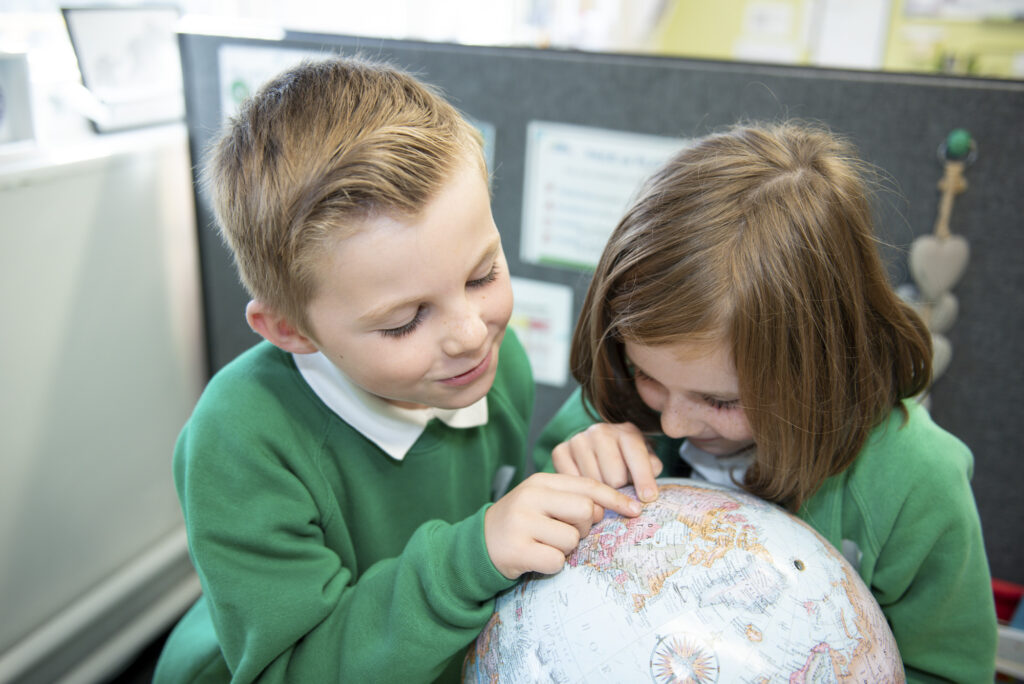
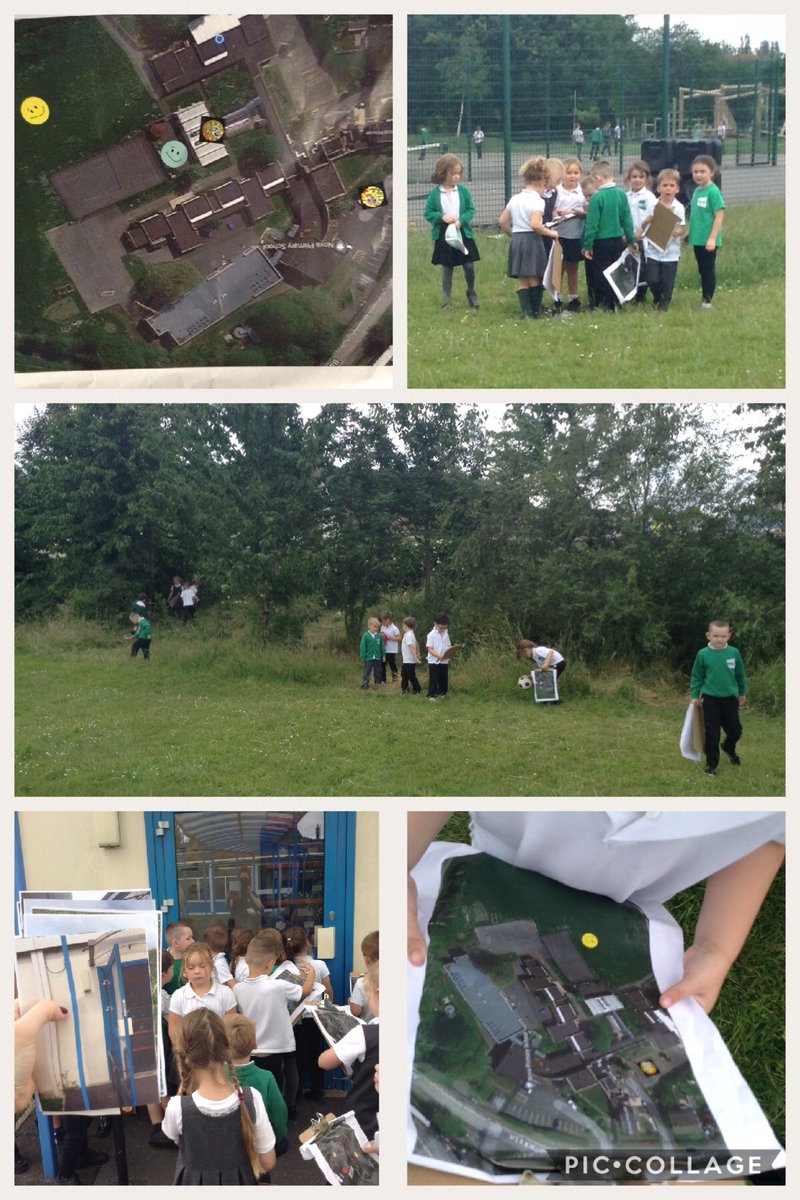
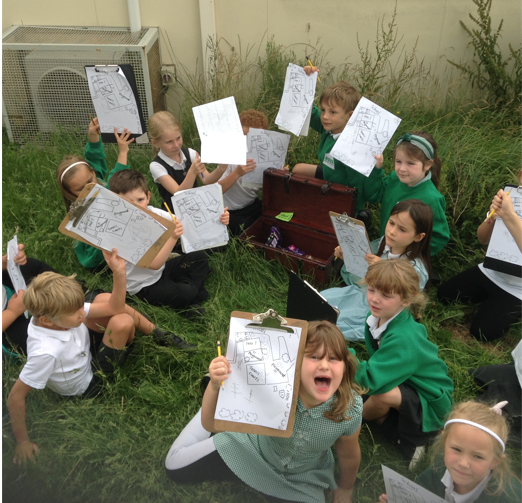
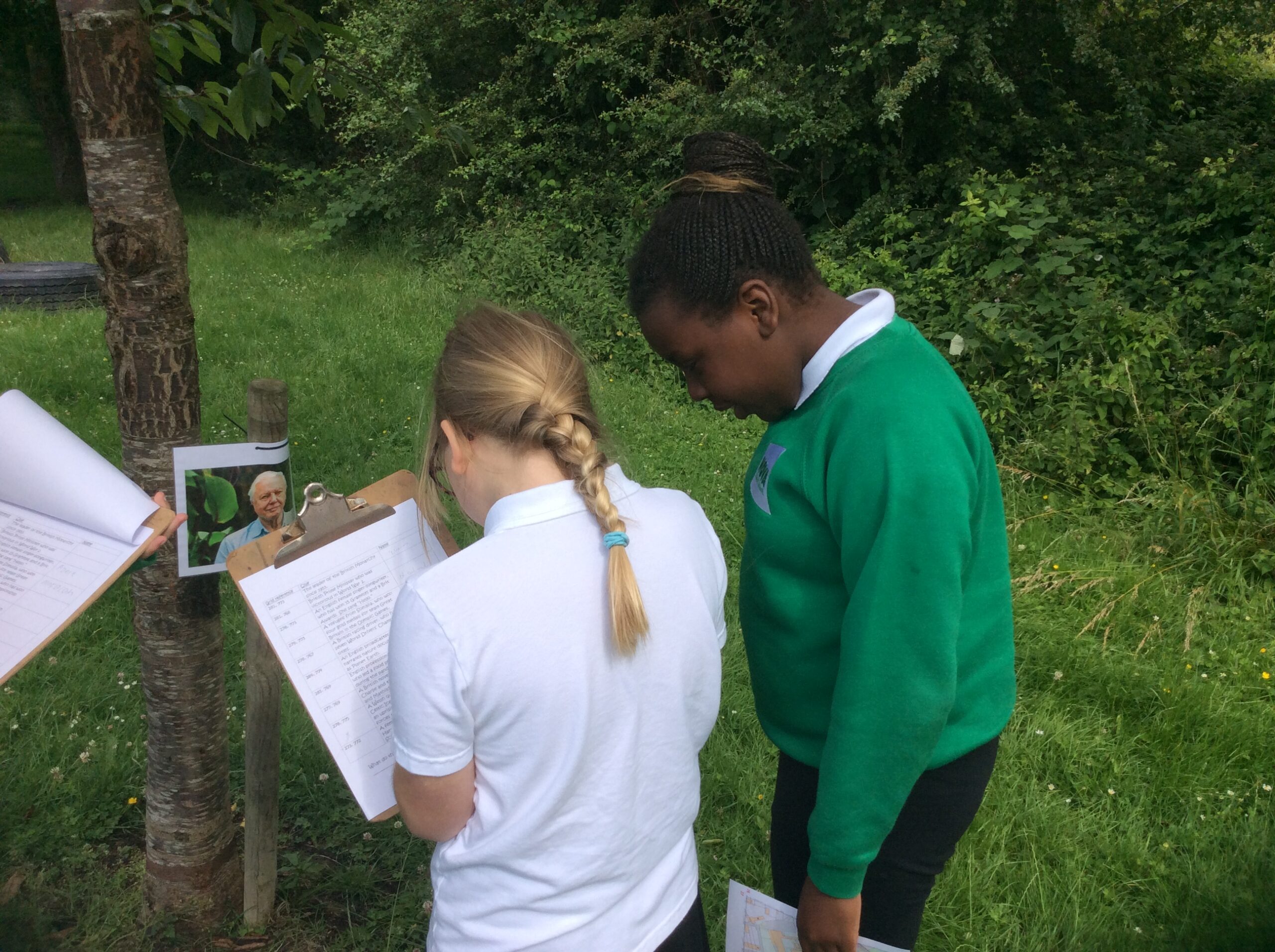
Here are some examples of children being Geographers:

Resources:
Exciting geography news and activities: https://www.natgeokids.com/uk/category/discover/geography/
http://www.travel-images.com/#gsc.tab=0
Mapping:
A fun website with games and support for reading and using maps: https://www.ordnancesurvey.co.uk/mapzone/
Search for local street maps and explore your local area: https://www.streetmap.co.uk/
Leadership:
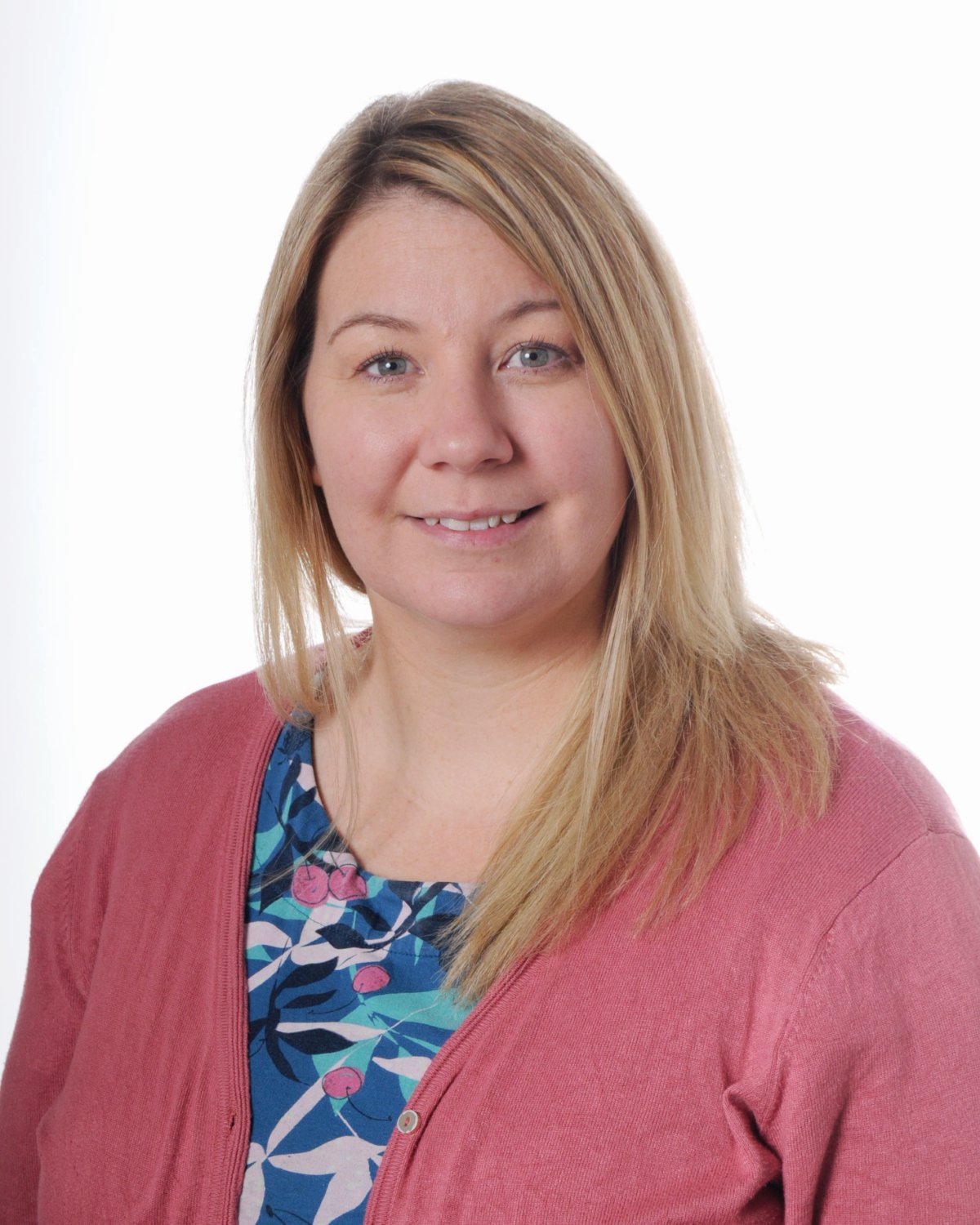
Kelly Clarke is our Lead Geographer, who you can speak to to find out more about how we teach our Geography Curriculum at Nova.
Geography priorities this year:
To embed implementation of our Geography curriculum and enquiry approach and measure the impact.
To develop and embed geographical fieldwork opportunities across the school.
To consistently use effective, timely assessment of Geography learning within subject units to help shape learning.
To ensure intent of geography (knowledge and understanding of the world) teaching is strong in EYFS.