How do we teach History at Nova?
We follow an enquiry approach to teaching history to help us develop children’s curiosity and understanding about the past. We use the National Curriculum to structure our line of enquiry topics, providing opportunities for each year group to study different time periods. The children are encouraged to form and answer questions about their learning, gain knowledge and vocabulary, investigate evidence, compare and contrast periods of history and understand change.
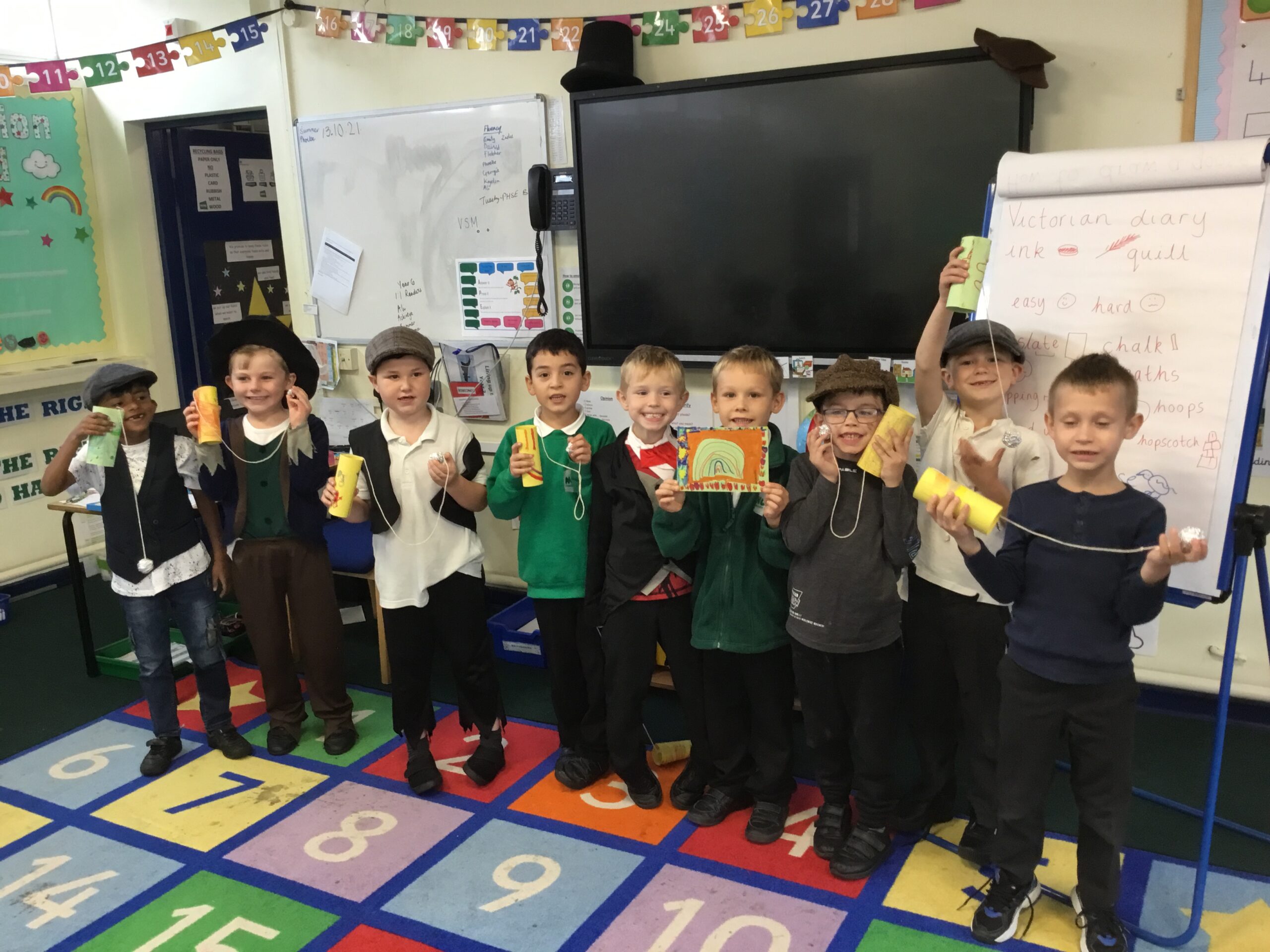
In EYFS, teachers plan opportunities for children to learn and understand the world around them, past and present, through guided teaching and high quality continuous provision. In Year 1 children learn about significant individuals, such as Florence Nightingale and Edith Cavell as part of their line of enquiry ‘Who are the real heroes?’. As part of their enquiry ‘What makes water precious?’ children learn how Bristol harbour has changed over time, studying John Cabot and the journey of the ship The Matthew. In Year 2 children investigate ‘What was it like to live in Victorian times?’ before reflecting on Brunel’s impact on Bristol as part of their ‘What makes Bristol brilliant?’ line of enquiry.
In Key Stage Two, the topics are broadly chronological, learning about events, people and places from within Britain and outside Britain. In Year 3 children study Ancient Egypt and the Stone Age. In Year 4 children find out ‘Who were the Romans and what was their legacy on Britain?’ as well as studying the Mayan civilization for their chocolate themed line of enquiry. In Year 5 children enjoy two history based lines of enquiry, reflecting ‘Why were the European invaders such successful conquerors?’ as well as ‘How have the Ancient Greeks influenced us? In Year 6, children learn about WW2 and the Windrush as part of their enquiry ‘Britain in the 20th Century – What changes have we seen?’.
Teachers have created knowledge organisers to outline the core historical knowledge and concepts children are expected to learn. Children develop their historical knowledge and skills throughout their history learning journey through the school (see progression document below) and we are in the process of refining and developing core threads of disciplinary concepts in our history curriculum to improve it further.
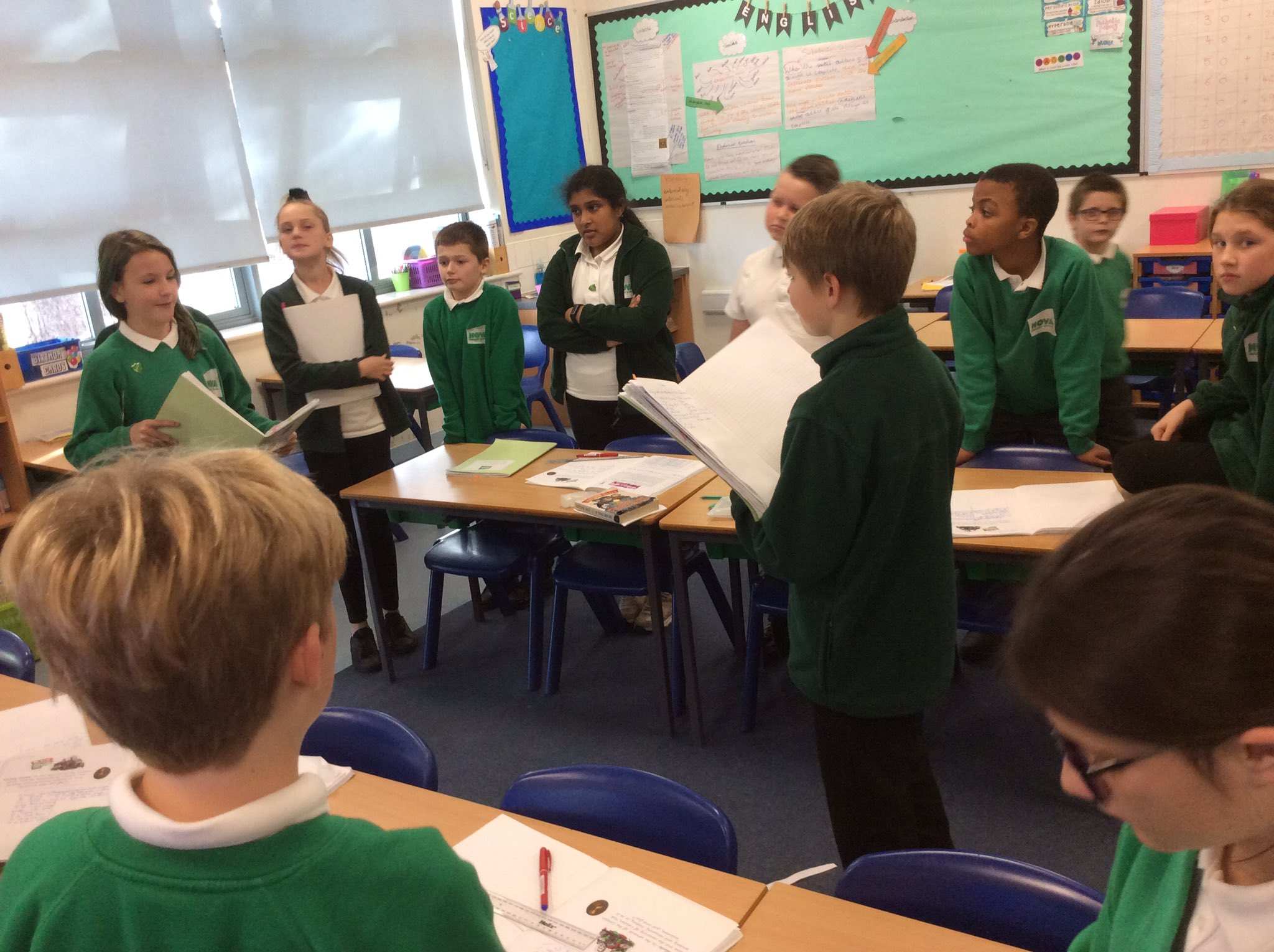
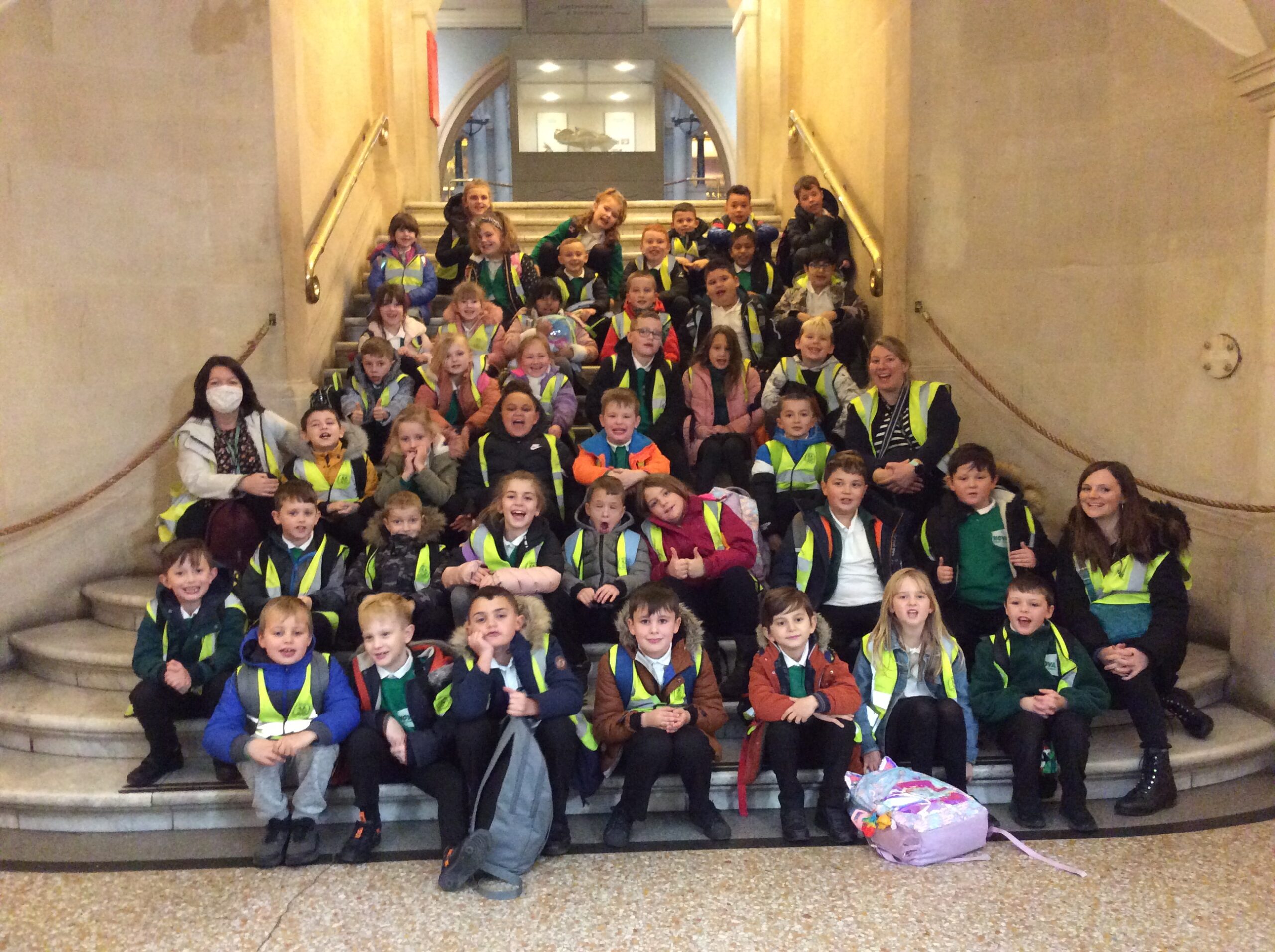
Children’s individual history learning is evidenced in children’s Line of Enquiry books and experiential opportunities such as photos of history visitors or trips are also evidenced. High expectations of presentation are expected to be seen in all books, with opportunities for children to embed their writing and maths skills.
An overview of history coverage along with skills, knowledge and vocabulary progression at Nova can be found here along with our intent for history:
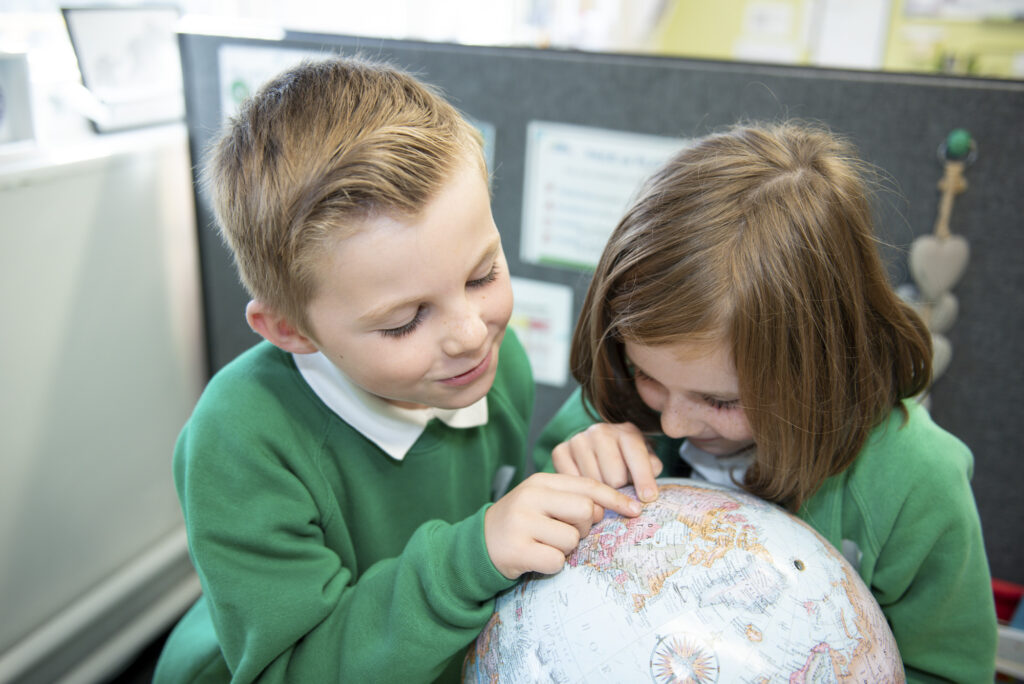
What does history learning look like at Nova?
Leadership:
Livia Hernandez is our Lead Historian, who you can speak to to find out more about how we teach our History Curriculum at Nova. .

Priorities:
To implement strategies and timely assessment to improve pupil retention of key knowledge.
To diversify significant individuals learned about from different time periods.
To ensure intent of history teaching (knowledge and understanding of the world) is strong in EYFS.
To ensure new history subject leader is confident in rationale, intent, implementation and impact of Nova’s History curriculum.